Recognizing Early Signs of Illness in Birds, Reptiles, and Small Mammals
When you share your home with an exotic pet, you become fluent in all their quirky charms—chirps, squeaks, slow blinks, and everything in between. But spotting when something isn’t quite right can feel tricky. At South Texas Avian & Exotic Hospital in San Antonio, we help families understand the subtle signs that their birds, reptiles, and small mammals may not be feeling their best.
Why Early Detection Matters
Exotic pets are experts at hiding illness. In the wild, showing weakness can attract predators, so many species instinctively mask symptoms until they’re seriously unwell. That means early detection is essential, and even small changes may be your pet’s way of saying they need help.
If you’ve ever wondered whether a bird not eating or a reptile’s lethargic moment is “normal,” you’re not alone. Knowing what’s concerning versus what’s simply typical behavior can make all the difference.
Birds: Small Signals, Big Meaning
Birds tend to be expressive, but when illness strikes, their signs can be faint. Paying attention to behavior and daily habits gives you an advantage.
Common early warning signs include:
- Changes in appetite or weight (a bird not eating is always a red flag)
- Fluffed or ruffled feathers
- Less vocalization or unusual quietness
- Droppings that suddenly look different
- Sitting low on the perch or spending more time on the cage bottom
While each of these signs may seem minor, together they paint a picture that your feathered friend may need veterinary attention. Birds decline quickly when ill, so a prompt exam can greatly improve their outcome.
Reptiles: Masters of Subtlety
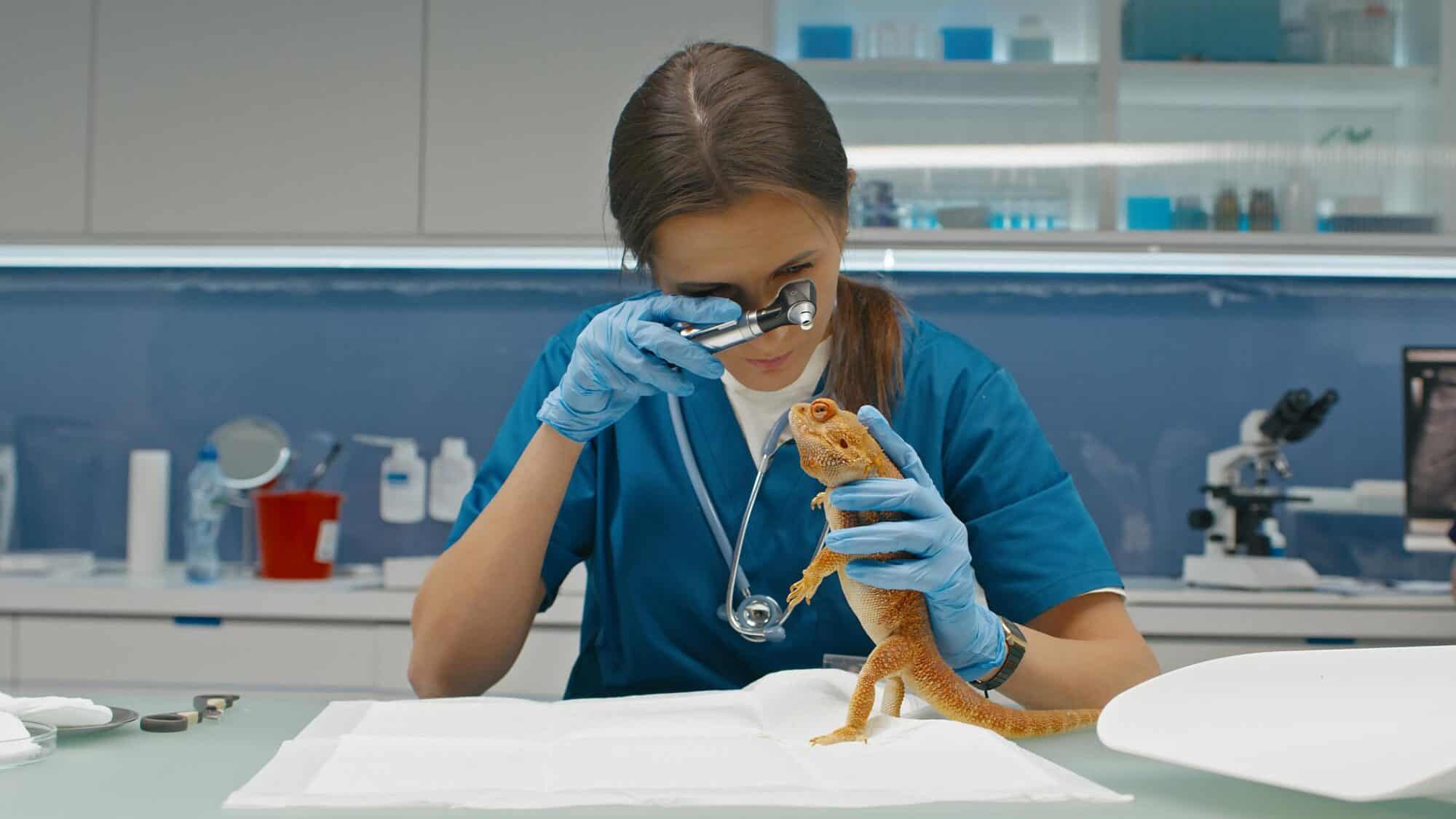
Reptiles are famously stoic. When they’re feeling unwell, their cues are often tied to activity level, appetite, and environmental interaction.
Watch for signs such as:
- Reduced movement or a reptile lethargic for more than a brief period
- Weak grip strength
- Lack of interest in food or difficulty striking at prey
- Incomplete sheds or skin abnormalities
- Spending too much time in one area of the enclosure (often the warm or cool zone)
Because reptiles rely heavily on husbandry factors—temperature, humidity, and UV lighting—early signs of illness can also point to an enclosure issue. A checkup allows your veterinarian to determine whether the cause is health-related, habitat-related, or a mix of both.
Small Mammals: Tiny Bodies, Big Reactions
Rabbits, guinea pigs, ferrets, and other small mammals have fast metabolisms, meaning illness can escalate quickly. Subtle changes in breathing, posture, or appetite deserve attention.
You may notice:
- Reduced appetite or thirst
- Hunched posture or reluctance to move
- Discharge from the eyes or nose
- Guinea pig breathing issues, such as wheezing or rapid breathing
- Changes in stool output or consistency
Because many small mammals are prey species, they often hide discomfort until they’re significantly ill. Trust your instincts—if something seems “off,” it’s worth a visit.
What Counts as an Exotic Vet Emergency?
While some symptoms may be mild or gradual, others qualify as immediate exotic vet emergency signs. These include:
- Difficulty breathing or open-mouth breathing
- Sudden collapse or inability to stand
- Excessive bleeding
- Seizures
- Severe lethargy that doesn’t improve with rest
- Visible fractures or traumatic injuries
Any of these signs requires urgent medical attention. Exotic pets can deteriorate rapidly, so prompt care is always the safest choice.
How To Support Early Detection at Home
You know your pet better than anyone. Creating good daily habits helps you spot changes right away.
Try incorporating:
- Routine weight checks using a small scale
- Daily observation of food and water intake
- Regular enclosure cleaning to better monitor droppings
- Notes or a pet journal to track subtle behavior shifts
A little monitoring goes a long way, especially with species that rely on subtle communication.
Keeping Your Exotic Pets Healthy
Exotic pets bring a special kind of joy into your home, and staying aware of early warning signs helps them thrive. If you’re concerned about a recent change—whether it’s a bird not eating, a reptile acting unusually still, or guinea pig breathing issues—our team is here to help. Call us at (210) 424-1871 to schedule a wellness visit or discuss any symptoms you’ve noticed.
Your pet’s health is our passion, and early care is the best gift you can give them.