
Recognizing Stress in Small Mammals When Temperatures Drop
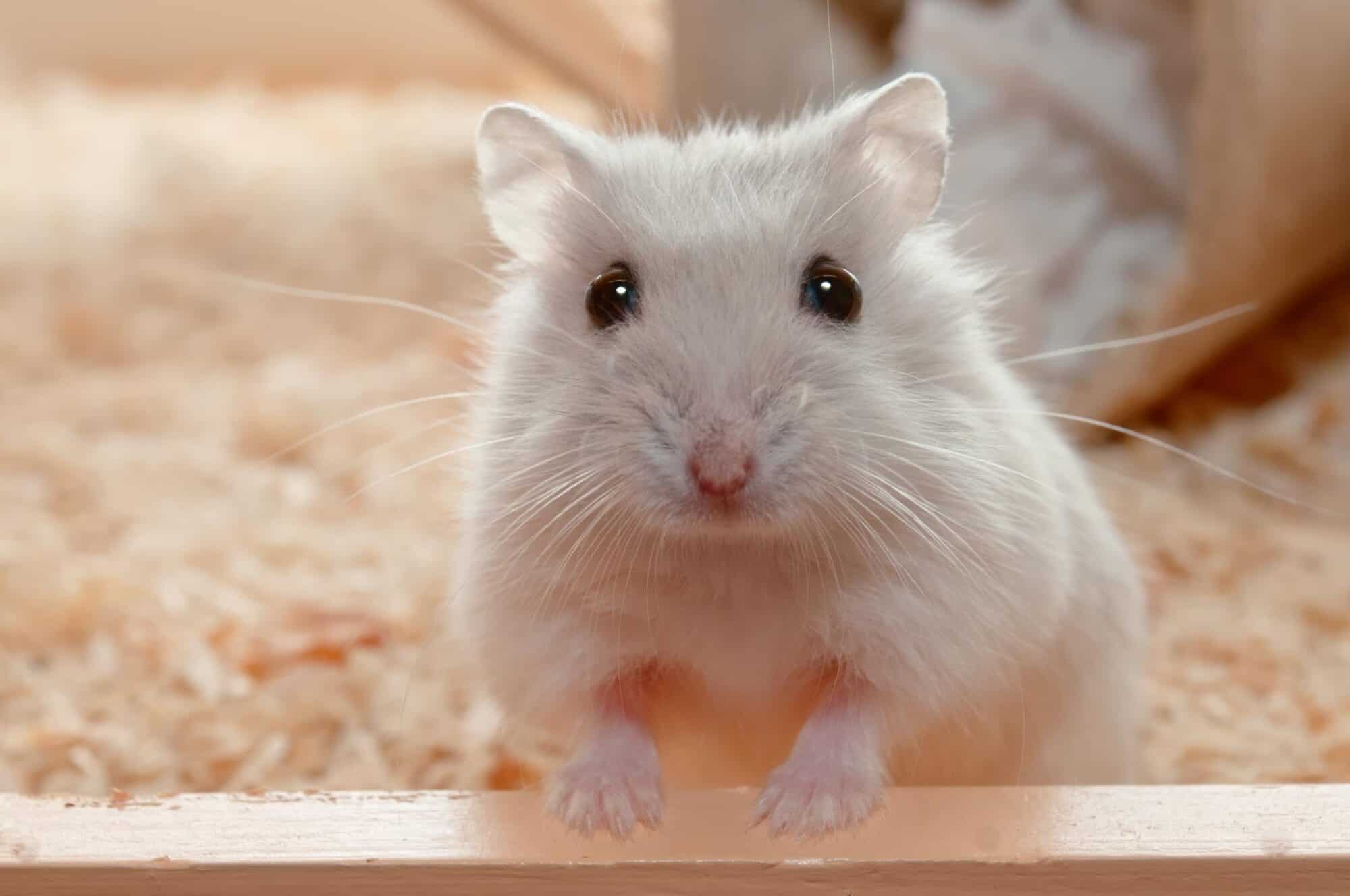
Even in South Texas, temperatures can dip enough to make small mammals uncomfortable. And when they’re stressed, they don’t always tell you in obvious ways. Recognizing signs of stress during cooler weather helps you keep your exotic pet safe, cozy, and healthy. At South Texas Avian & Exotic Hospital in San Antonio, we understand how temperature change effects can influence exotic pet behavior and overall well-being.
How Cooler Temperatures Affect Small Mammals
Small mammals like guinea pigs, chinchillas, hedgehogs, sugar gliders, and rabbits have specific temperature needs. Most thrive in moderate indoor conditions and can experience stress or even illness when the environment gets too cold.
Because these animals have high metabolic rates and smaller body masses, they lose body heat quickly. A chilly room can send them searching for warmth. If they can’t find it, their immune systems may weaken, leaving them vulnerable to respiratory infections or digestive issues.
A sudden drop in temperature can also cause subtle changes in behavior, such as decreased activity or appetite. What looks like your pet “just being sleepy” could actually be a sign they’re struggling to stay warm.
Common Small Mammal Stress Signs
Recognizing stress in small mammals early can make a big difference in their health. Keep an eye out for behavioral and physical clues that your pet is uncomfortable when temperatures dip.
Common signs include:
- Reduced appetite or water intake
- Hiding more often than usual
- Shivering or puffing up fur to conserve warmth
- Decreased activity or reluctance to move
- Teeth grinding, vocalizing, or other unusual sounds
- Rapid breathing or trembling
If your pet shows any of these behaviors, take note of the room’s temperature and humidity. Even indoor pets can feel the chill from drafts, open windows, or tile floors. It’s also important to consider that stress may not just be physical. It can also come from sudden environmental changes or unfamiliar routines during colder months.
Creating a Cozy Environment
Preventing cold-weather stress starts with proper care. Each species has its own ideal temperature range, but there are a few general tips that apply to most small mammals.
To help your pet stay warm and comfortable, try the following:
- Place enclosures away from windows, vents, and exterior doors
- Use soft bedding materials like fleece or paper-based options to retain warmth
- Offer hideouts or nesting boxes where pets can snuggle and feel secure
- Avoid direct heat sources like space heaters or heating pads that could overheat or burn them
- Maintain consistent lighting and feeding routines to reduce seasonal stress
By keeping their environment stable and predictable, you’ll not only help regulate body temperature but also minimize stress-related behavior changes.
When to Call the Vet
If you notice persistent changes in appetite, breathing, or energy level despite keeping your pet warm, it’s best to reach out for professional care. Some signs of cold stress overlap with symptoms of illness, and small mammals can deteriorate quickly without treatment.
The South Texas Avian & Exotic Hospital team is experienced in identifying and treating temperature-related health concerns in exotic species. Whether your rabbit has become unusually quiet or your sugar glider isn’t eating as usual, our veterinarians can help determine whether it’s due to stress, the environment, or something more serious.
Keep Your Small Mammal Happy and Healthy This Season
If you’re concerned about your pet’s behavior or want to ensure their setup is winter-ready, schedule a wellness visit with our team. Call (210) 424-1871 to book an appointment today, because even the smallest pets deserve the warmest care.