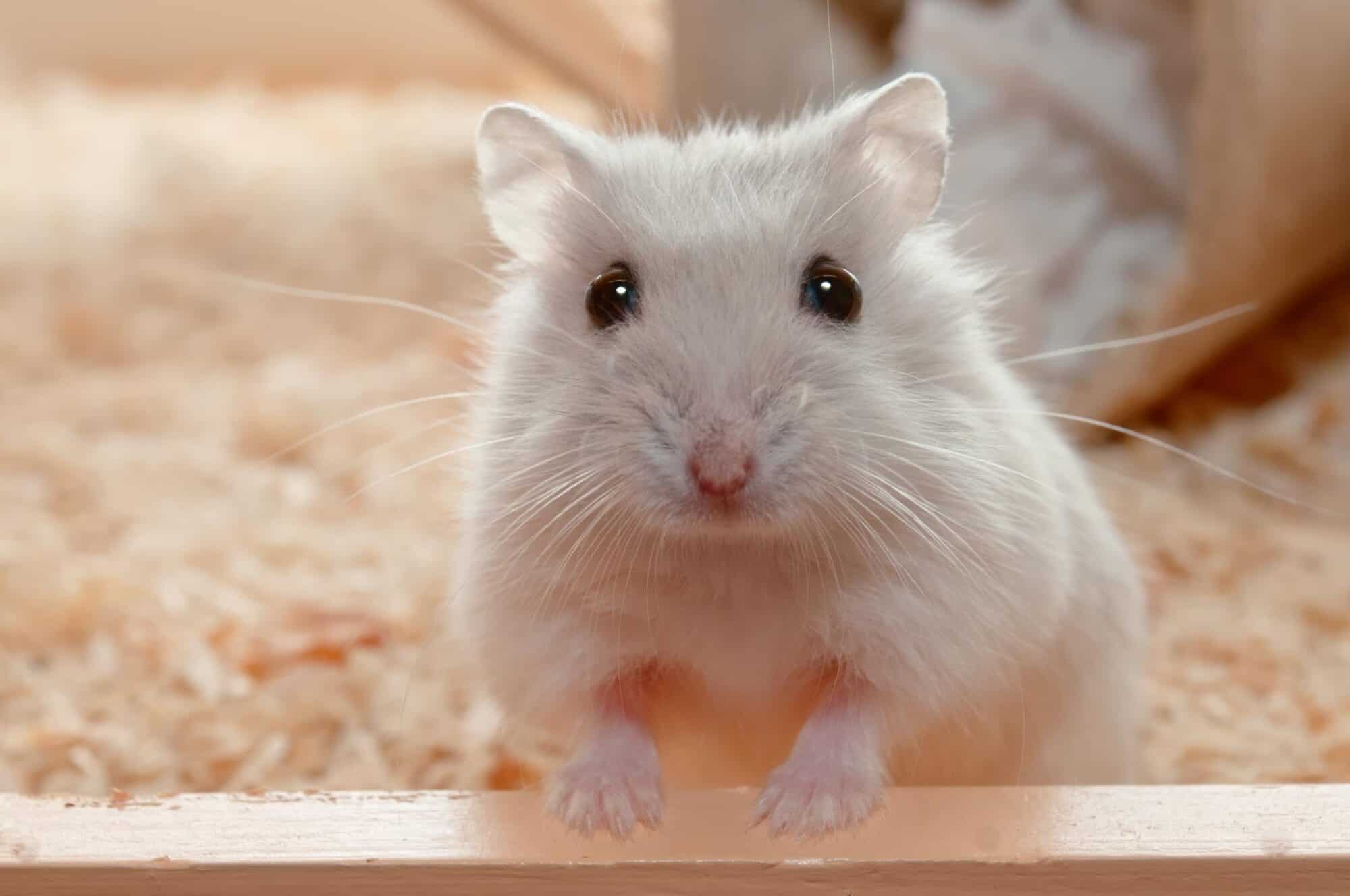
Posts in Category: Pet Wellness and Preventive Care January 9, 2026 by South Texas Avian & Exotic Hospital Recognizing Stress in Small Mammals When Temperatures Drop Even in South Texas, temperatures can dip enough to make small mammals uncomfortable. And when they’re stressed, they don’t always tell you in obvious ways. Recognizing signs of stress during cooler weather helps you keep your exotic pet safe, cozy, and healthy. At South Texas Avian & Exotic Hospital in San Antonio, we understand how […] Read More Holiday Hazards for Exotic Pets: What Bird, Reptile, and Small Mammal Owners Should Know The holidays are a time of sparkle, celebration, and cozy traditions—but for exotic pets, this season can come with unexpected dangers. From festive foods to flickering décor, what brings us joy may pose serious risks to your feathered, scaled, or furry companions. At South Texas Avian & Exotic Hospital in San Antonio, TX, we’re here […] Read More Recognizing Signs of Illness in Exotic Pets as Weather Changes As temperatures drop and days grow shorter, many exotic pets experience subtle shifts in their health and behavior. Birds, reptiles, small mammals, and other exotic pets can be sensitive to seasonal transitions, and fall is a critical time to watch for early signs of illness. Understanding what’s normal (and what’s not) could make all the […] Read More Which Foods Are Safe for Exotic Pets at Summer BBQs? 10 Do’s and Don’ts Who says exotic animals can’t be the life of the party at your summer BBQ or other family gathering? If you’ve got a socialite for a spider monkey or a leftover loving lemur, you’ll want to keep reading for our team’s tips on exotic pet-safe foods and BBQ dangers for exotic pets. Read More Caring for Exotic Pets in the Texas Heat: Tips for Keeping Your Animals Cool As Temperatures Climb When the temperatures rise in Texas, so does the need for a little extra TLC for our pets. South Texas Avian & Exotic Hospital wants to be sure that you don’t forget about keeping exotic animals cool, too before the weather gets too warm. Read More