Lethargy in Rabbits: Early Warning Signs of GI Stasis
Is your rabbit moving a lot less than usual, or acting super sleepy and listless? If so, it’s time to pay attention. Rabbits can be delicate creatures, and they require attentive care. One of the most dangerous conditions for rabbits is gastrointestinal (GI) stasis, and lethargy is a major warning sign.
Here’s what the team at South Texas Avian and Exotic Hospital wants rabbit parents to know.
What is GI Stasis and Why Do Rabbits Get It?
GI stasis happens when a rabbit’s digestive system slows down or…just stops moving altogether. This can cause a buildup of harmful bacteria and gas in your bunny’s gut, making your fluffy friend feel worse and worse with every minute. Hence the lethargy.
So, why does GI stasis happen at all? It’s important to understand that a rabbit’s digestive system is unusual, compared with the rest of us, anyway. It requires a constant intake of high-fiber foods, particularly hay, to keep things moving healthily.
Rabbits need a steady intake of food to keep their guts moving, so any pause, whatever the cause, can spell trouble. This is what leads to GI stasis, and it’s why even a short period of appetite loss is concerning.
Rabbit GI Stasis Symptoms: What to Watch Out For
If you know the signs of rabbit GI stasis, you’ll be better prepared to quickly get your bunny to the vet if you suspect stasis.
Keep an eye out for a rabbit who:
- Stops eating or seems to be eating less than usual
- Produces fewer droppings, or none at all, compared to their typical output
- Hunches and grinds her teeth, both of which can be signs of pain
- Has a bloated belly that feels hard to the touch
- Seems lethargic or is spending a lot of time hiding
The bottom line is this: if your rabbit is lethargic or is not moving, call the vet. GI stasis can take a rabbit’s life in as little as 24 hours.
Emergency Treatment for GI Stasis
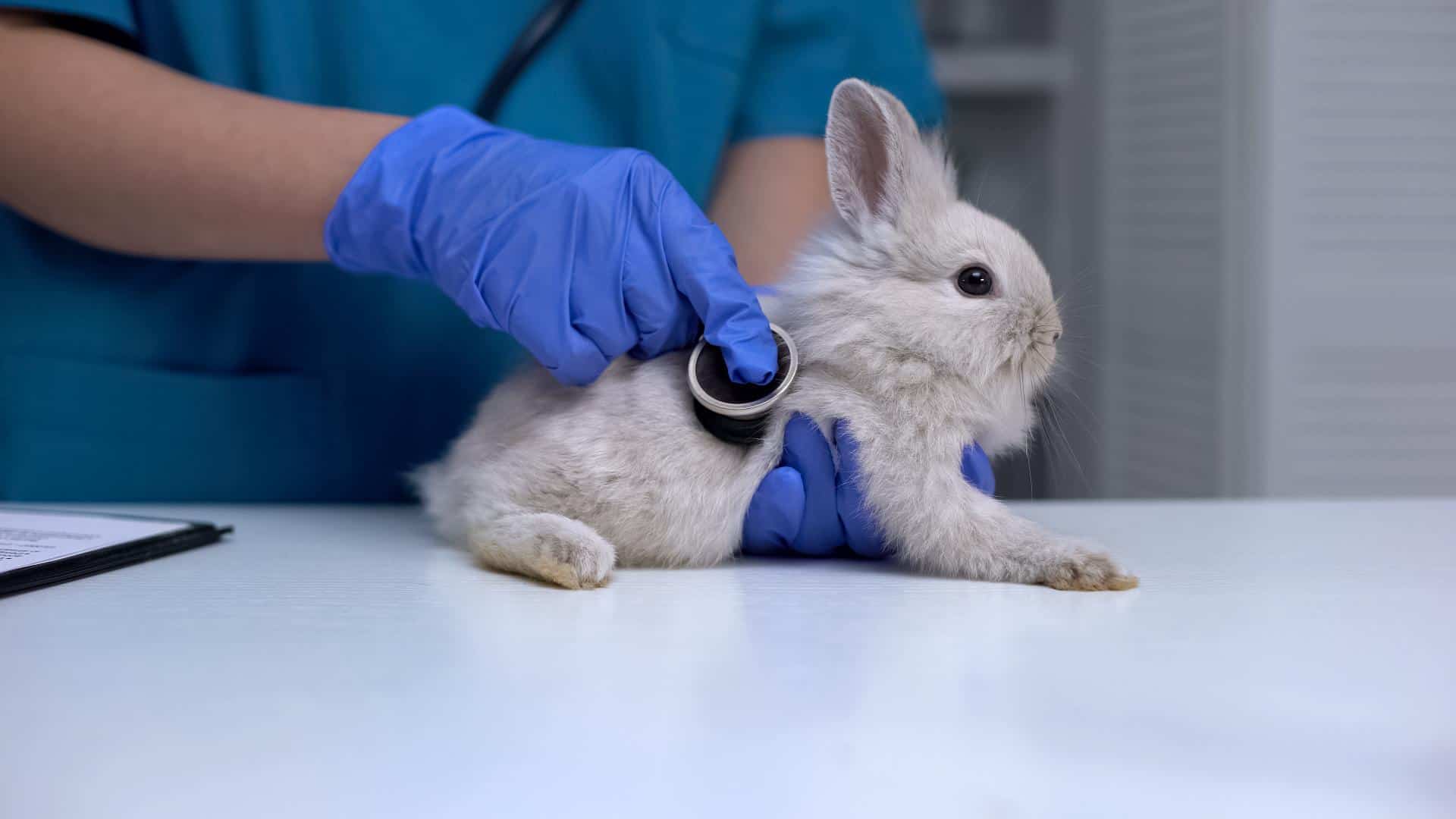
GI stasis is a medical emergency for rabbits. If you notice any of the signs above, it’s time to contact an emergency rabbit vet immediately. Veterinary treatment centers on helping get your pet’s digestive system moving again with medication. Fluid therapy and syringe feeding might be needed, too, to ease your pet’s dehydration and lack of nutrients.
Above all, do not wait to see if your rabbit gets better on her own. Early intervention can significantly improve your rabbit’s outcome. Delays in care, on the other hand, can lead to serious complications and can even be fatal.
If you’re concerned about GI stasis in your rabbit, call our caring team at South Texas Avian and Exotic Hospital by calling (210) 424-1871 during our business hours. Or, contact your nearest emergency veterinarian for immediate assistance.