
Why Is My Guinea Pig Breathing Fast? Respiratory Illness in Small Mammals
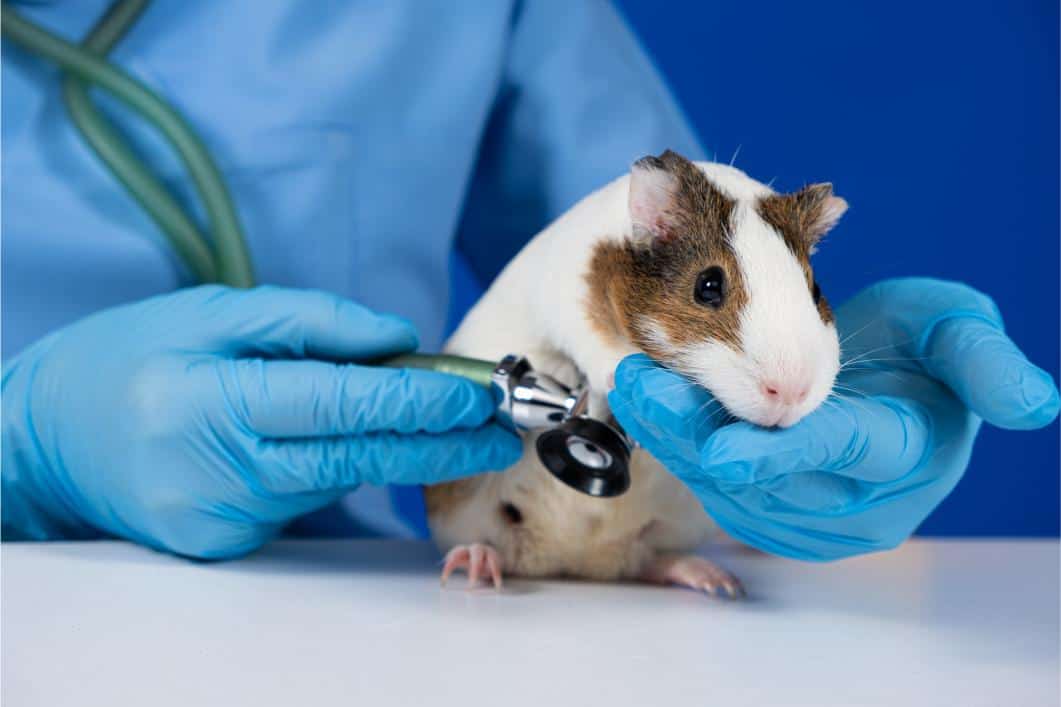
Guinea pigs are tiny creatures with big personalities—and very small margins for error when it comes to their health. If you’ve noticed your pet’s sides fluttering like a nervous heartbeat, you might be wondering: Why is my guinea pig breathing fast?
It’s a question worth taking seriously. In small mammals, breathing changes are often one of the earliest—and most urgent—signs that something isn’t right.
What’s Normal vs. Not?
A relaxed guinea pig has soft, steady breaths that are easy to miss. But a guinea pig breathing fast can look like:
- Rapid chest or flank movement
- Open-mouth breathing (a major red flag)
- Wheezing, clicking, or crackling sounds
- Lethargy or reluctance to move
Just like cats, guinea pigs are experts at hiding a weakness or illness. By the time symptoms show, they may already need prompt medical attention.
Guinea Pig Respiratory Infection: A Common Culprit
One of the leading causes of fast breathing is a guinea pig respiratory infection. These infections can develop quickly and become serious without treatment.
Signs often include:
- Nasal or eye discharge
- Sneezing
- Loss of appetite
- Puffing up or sitting hunched
Because guinea pigs have delicate respiratory systems, even mild infections can escalate into pneumonia if left untreated.
Small Mammal Breathing Problems: Other Possible Causes
While infections are common, they’re not the only explanation for small mammal breathing problems. Other causes may include:
- Heat stress (especially in warm climates like San Antonio)
- Allergies or environmental irritants (dusty bedding, strong scents)
- Heart conditions
- Pain or stress
In these tiny bodies, everything is connected—so breathing changes are often a signal that the whole system is under strain.
When It’s an Exotic Vet Emergency
Here’s the hard truth: if your guinea pig is breathing rapidly or with effort, consider it an exotic vet emergency.
Seek immediate veterinary care if you notice:
- Open-mouth breathing
- Blue or pale gums
- Severe lethargy
- Not eating or drinking
- Labored or noisy breathing
Time matters. Waiting “to see if it improves” can quickly turn a treatable issue into a life-threatening situation.
What to Do Right Away
If you’re concerned:
- Keep your guinea pig warm and quiet.
- Avoid stress or excessive handling.
- Do not attempt home treatments.
- Contact an experienced exotic veterinarian immediately.
For specialized care, a clinic like South Texas Avian & Exotic Hospital is equipped to handle the unique needs of small mammals and provide rapid, appropriate treatment.
Guinea pigs may be small, but their health symptoms speak volumes—especially when it comes to breathing. Fast or labored breaths aren’t a quirk; they’re a call for help.
When in doubt, trust your instincts and act quickly. Contact us at (210) 424-1871 if you have questions or concerns about small mammal breathing problems or if it’s time for your guinea pig’s exotic pet checkup.