
Soft Shell in Turtles: Causes, Treatment, and Prevention
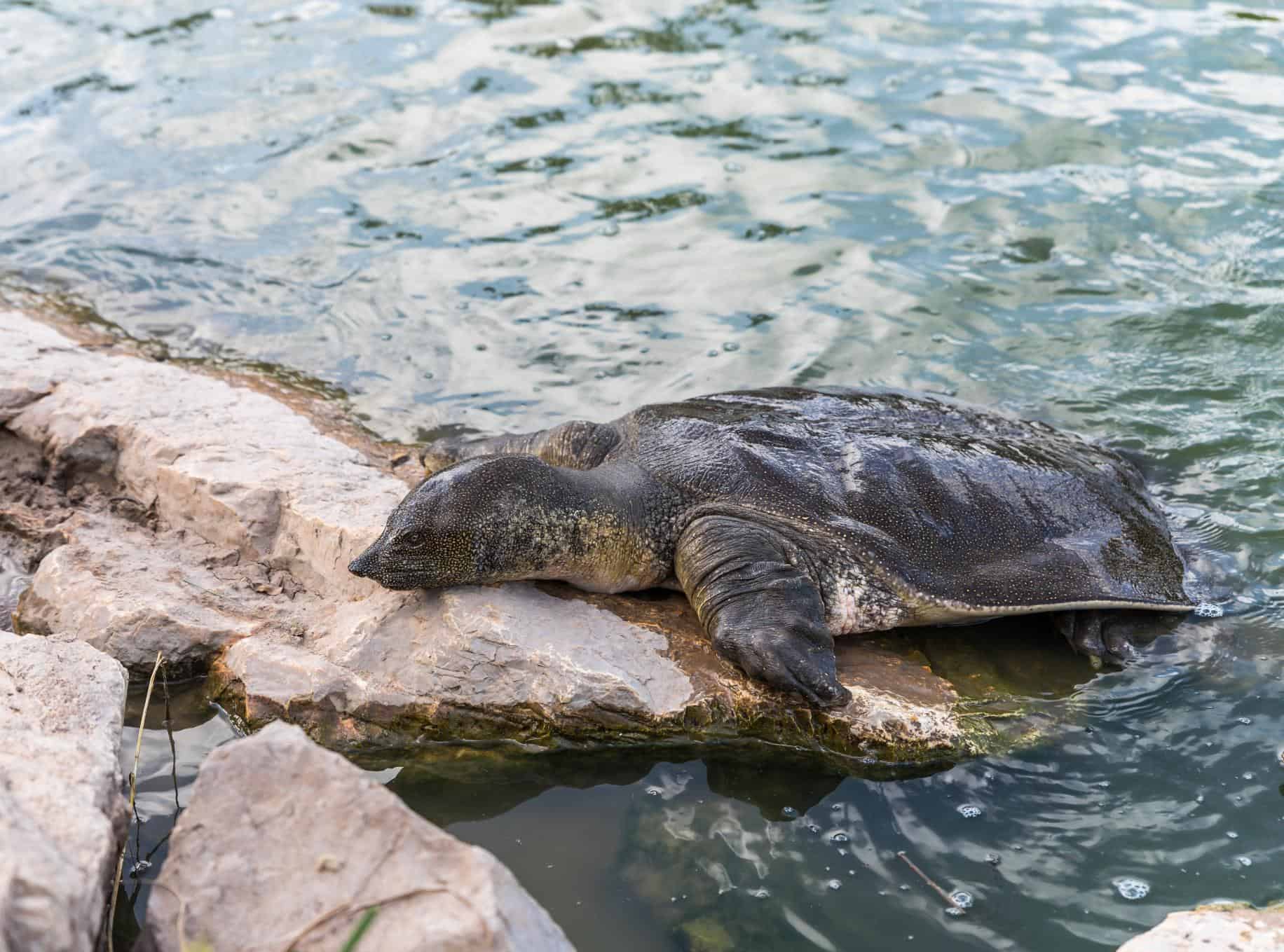
A turtle’s shell does much more than protect it from predators. It’s a living part of the body that supports movement, stores important minerals, and reflects your pet’s overall health. So if you notice your turtle’s shell feels softer than usual, it’s understandable to be concerned.
At South Texas Avian & Exotic Hospital in San Antonio, our team takes a soft shell seriously because this condition can indicate an underlying health problem that benefits from prompt veterinary care. The sooner your turtle is evaluated, the better the chances of correcting the issue and preventing long-term complications.
What Causes a Soft Shell?
A soft shell isn’t a disease by itself. Instead, it’s usually a symptom of another condition affecting your turtle’s health.
One of the most common causes is metabolic bone disease, a condition that can affect a turtle when it doesn’t receive or properly use enough calcium and vitamin D3. Without these nutrients, the shell and bones can’t develop or maintain their normal strength. Issues with UVB lighting or other aspects of the habitat, as well as nutritional deficiencies, often contribute to this condition.
Other possible causes include:
- Improper temperatures that interfere with digestion and calcium absorption
- Rapid growth in young turtles with an unbalanced diet
- Certain infections or injuries affecting the shell
Because several conditions can cause shell abnormalities, an examination by an experienced turtle veterinarian is the best way to determine what’s happening. Trying to diagnose the problem at home can delay the treatment your pet needs.
Soft Shell vs. Turtle Shell Disease: What’s the Difference?
A soft shell and turtle shell disease aren’t always the same thing, although they can occur together.
Turtle shell disease typically refers to bacterial or fungal infections that damage the shell. You may notice discolored areas, pits, ulcers, foul odours, or sections of shell that appear to be breaking down. By contrast, a soft shell is often linked to nutritional deficiencies or husbandry issues, particularly in growing turtles.
Because these conditions require different treatments, it’s important not to rely on home remedies or guess at the cause. An accurate diagnosis is the first step toward helping your turtle recover.
How Is a Soft Shell Diagnosed and Treated?
Your veterinarian will perform a thorough physical examination and ask questions about your turtle’s diet, lighting, enclosure, and daily care. Because habitat plays such an important role in shell health, your veterinarian may also recommend a husbandry evaluation to help ensure your turtle’s environment supports proper growth and long-term wellness.
Depending on your pet’s condition, diagnostic testing such as X-rays or laboratory work may also be recommended.
Treatment depends on the underlying cause and may include:
- Correcting dietary deficiencies with appropriate nutrition
- Calcium and vitamin supplementation
- Improving UVB lighting and basking conditions
- Treating bacterial or fungal infections if present
- Addressing injuries or other medical conditions affecting the shell
Don’t be discouraged if your turtle doesn’t improve overnight. Shell tissue grows slowly, so recovery often takes patience and consistent care. The good news is that many turtles do very well once the underlying problem is identified and treated.
How Can You Help Prevent Shell Problems?
The encouraging news is that many shell problems are preventable. A healthy diet, proper lighting, and the right habitat all work together to keep your turtle’s shell strong throughout its life.
Some of the best ways to support your turtle’s health include:
- Feeding a species-appropriate, balanced diet
- Providing high-quality UVB lighting and replacing bulbs as recommended
- Maintaining proper basking and water temperatures
- Keeping the enclosure clean to reduce bacteria and fungi
- Scheduling routine wellness examinations with an experienced reptile veterinarian
Preventive care also allows potential problems to be identified early, when they’re often easier to treat.
When Should You Call a Turtle Veterinarian?
If your turtle develops soft areas on its shell, stops eating, seems less active than usual, or you notice discoloration, pits, or an unpleasant odor coming from the shell, it’s time to schedule an examination. Prompt treatment can often prevent more serious complications and help your pet feel better sooner.
At South Texas Avian & Exotic Hospital, our team is experienced in caring for reptiles and other exotic pets. If you have concerns about overall health or a soft shell in your turtle, call (210) 424-1871 to schedule an appointment. We’d love to help your shelled companion stay healthy for years to come.