
Why Is My Bearded Dragon Not Moving Much? Causes of Lethargy in Reptiles
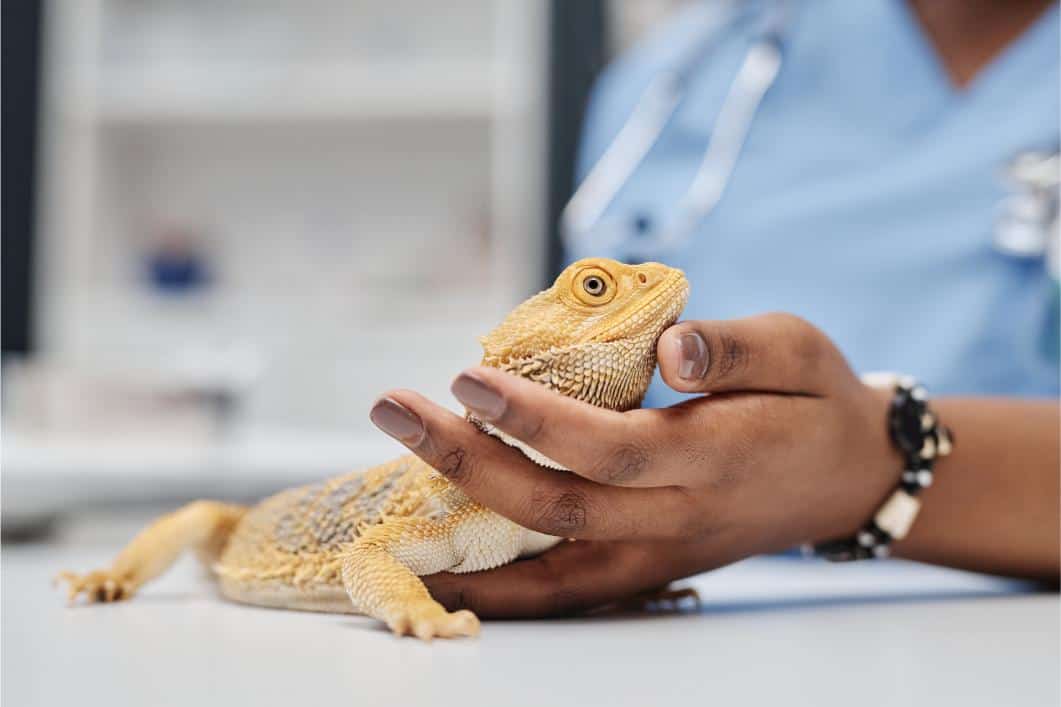
Bearded dragons are known for their curious personalities, alert expressions, and love of basking under a warm light. If your normally active pet suddenly seems sluggish, spends more time hiding, or is simply not interested in moving around, it is natural to be concerned. A bearded dragon’s lethargic behavior can sometimes be linked to normal biological processes, but in other cases, it may signal an underlying health issue that requires veterinary attention. Understanding the possible causes can help you determine when it is time to seek professional care.
What Causes Lethargy in Bearded Dragons?
A bearded dragon that is less active than usual may be responding to changes in its environment, diet, or overall health. While occasional periods of rest are normal, persistent lethargy should never be ignored.
Common causes include:
- Improper enclosure temperatures
- Inadequate UVB lighting
- Poor nutrition
- Dehydration
- Parasites
- Infections
- Metabolic bone disease
- Seasonal brumation
If your reptile is not moving much for several days or showing additional symptoms, a veterinary evaluation is recommended.
Could It Be Brumation?
Brumation is a natural dormancy period that many bearded dragons experience during cooler months. During this time, they may:
- Sleep more often
- Eat less or stop eating
- Spend more time hiding
- Move around less frequently
While brumation can be completely normal, it is important to make sure your pet is healthy before assuming that is the cause. Certain illnesses can mimic the signs of brumation, making it difficult for owners to tell the difference.
If your dragon becomes lethargic unexpectedly or outside of its normal seasonal patterns, it is best to have them examined by an experienced exotic animal veterinarian.
Husbandry Problems Can Affect Activity Levels
Many cases of a sick bearded dragon can be traced back to enclosure issues. Bearded dragons rely on their environment to regulate body temperature and support healthy bodily functions.
Check the following:
- Is the basking area warm enough?
- Is the UVB bulb functioning properly and within its replacement schedule?
- Is your dragon receiving a balanced diet appropriate for its age?
- Is fresh water available?
Without proper heat and UVB exposure, a bearded dragon may become weak, sluggish, and less interested in food. Think of it as trying to start your morning without coffee, breakfast, or sunshine. Their little reptile engines simply cannot run efficiently.
When Lethargy May Signal Illness
Sometimes a sick bearded dragon may show lethargy as one of the earliest warning signs of disease. In these situations, you may notice:
- Weight loss
- Decreased appetite
- Sunken eyes
- Difficulty walking
- Swelling of the limbs or jaw
- Abnormal stools
- Labored breathing
A lethargic bearded dragon that is refusing food should be evaluated as soon as possible. Reptiles are masters at hiding illness, which means symptoms often become noticeable only after a condition has progressed.
Early diagnosis can make a significant difference in treatment options and recovery. Diagnostic testing, including physical exams, bloodwork, imaging, and parasite screenings, can help identify the underlying cause and get your pet back to feeling like their bright and curious self.
Is Your Bearded Dragon Acting Unusually? Schedule an Exam Today
If your reptile is not moving as much as usual, sleeping excessively, or showing other signs of illness, do not wait to seek help. The experienced team at South Texas Avian & Exotic Hospital understands the unique health needs of reptiles and exotic pets.
Whether your pet is experiencing brumation, husbandry-related concerns, or signs of a more serious condition, we are here to help. Contact us today to schedule an examination and give your bearded dragon the expert care they deserve.